Our exoskeleton portfolio consists of near-production platforms currently in advanced development, with core subsystems validated through initial functional and integration testing. These systems are engineered as modular human-augmentation solutions optimized for reliability, ergonomics, and scalable deployment.
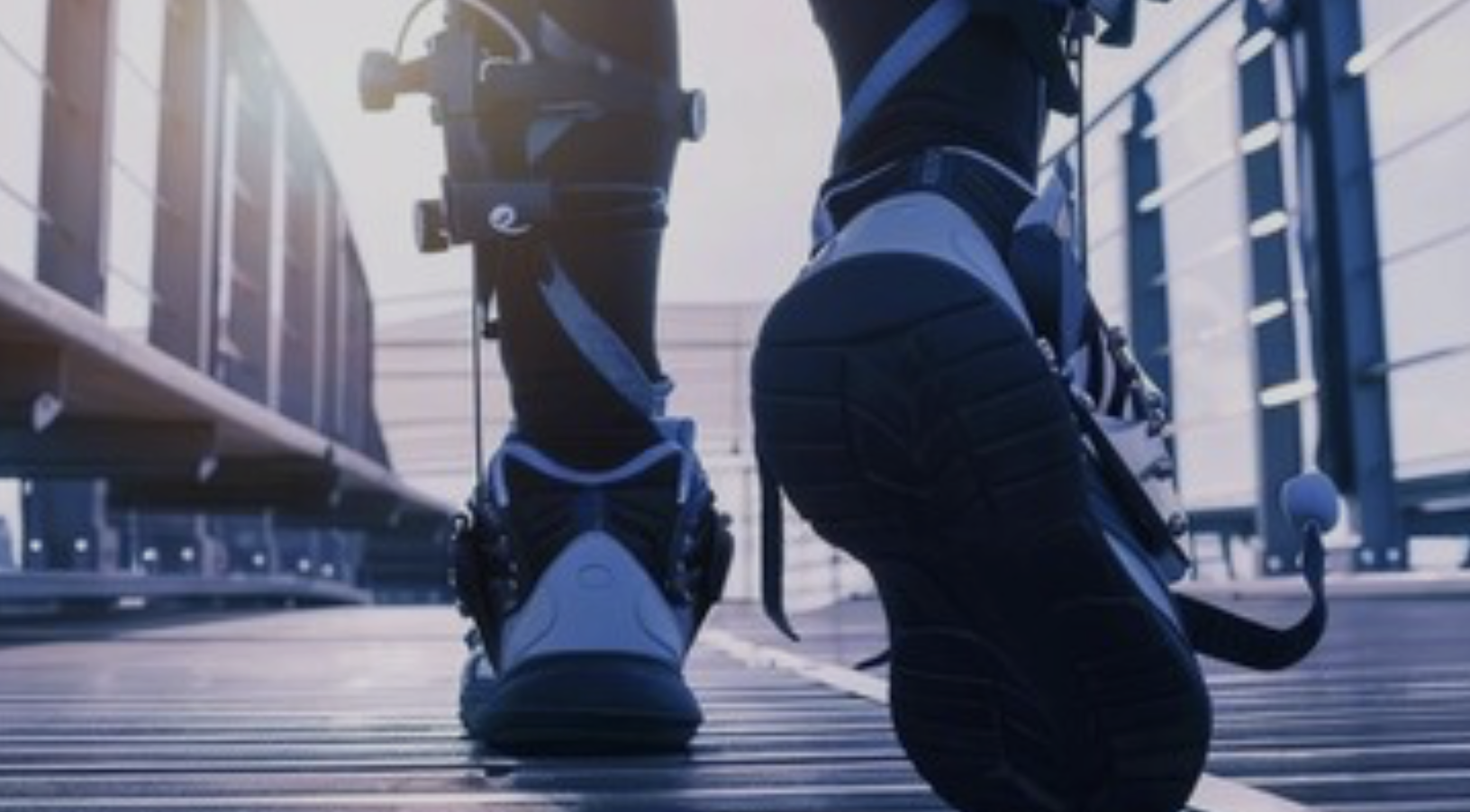
From a system configuration perspective, the platform family is structured in two main classes. Full-body exoskeletons provide coordinated actuation and biomechanical alignment across the entire musculoskeletal chain, enabling comprehensive load redistribution, endurance enhancement, and motion assistance. Partial exoskeletons are designed as targeted modules focusing on specific anatomical regions—such as lumbar support units, upper-limb assist modules, or lower-extremity actuation frames—allowing application-specific optimization with reduced system complexity.
In terms of use cases, the platforms are being developed across three primary operational domains. Medical configurations focus on rehabilitation, mobility restoration, and assistive therapy workflows with emphasis on safety, compliance control, and patient adaptability. Industrial and daily assistance variants are optimized for fatigue reduction, injury prevention, and sustained performance in physically demanding environments. Defense-oriented configurations explore high-endurance and load-augmentation capabilities for mission scenarios where operator efficiency and resilience are critical.
Across all variants, the design approach emphasizes modular hardware architecture, sensor-driven control loops, and extensible software frameworks, enabling iterative refinement as the systems progress toward full validation and deployment readiness.
Core Technology
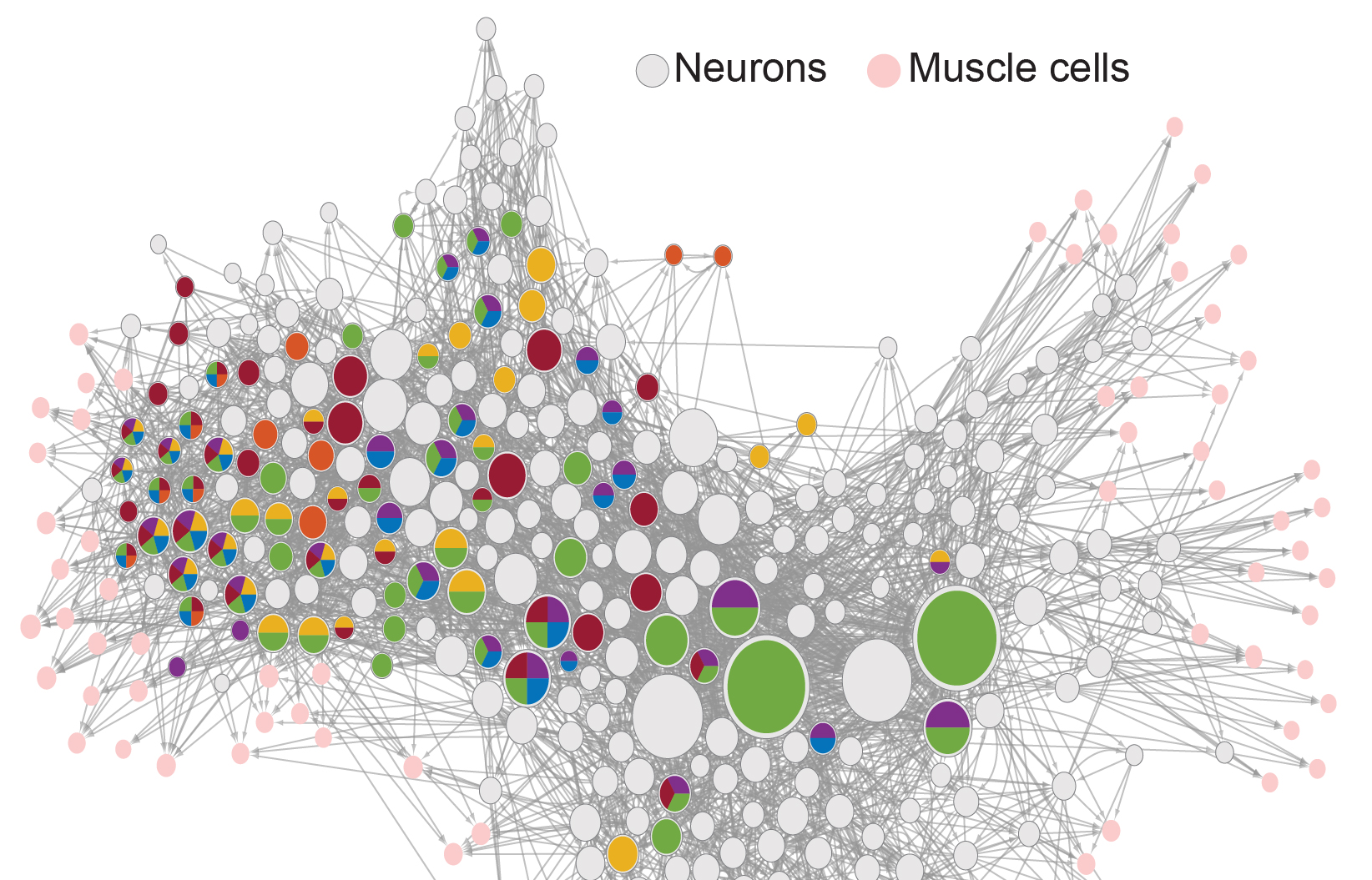
At the core of our platforms lies an integrated technology stack that combines advanced artificial intelligence with next-generation materials engineering. Our control architecture leverages adaptive AI models capable of learning user-specific motion patterns and biomechanical responses in real time, enabling predictive assistance rather than purely reactive actuation. Sensor fusion pipelines—integrating EMG, IMU, force, and kinematic data—feed into intelligent control loops that dynamically optimize torque distribution, stability, and energy efficiency across different movement phases.
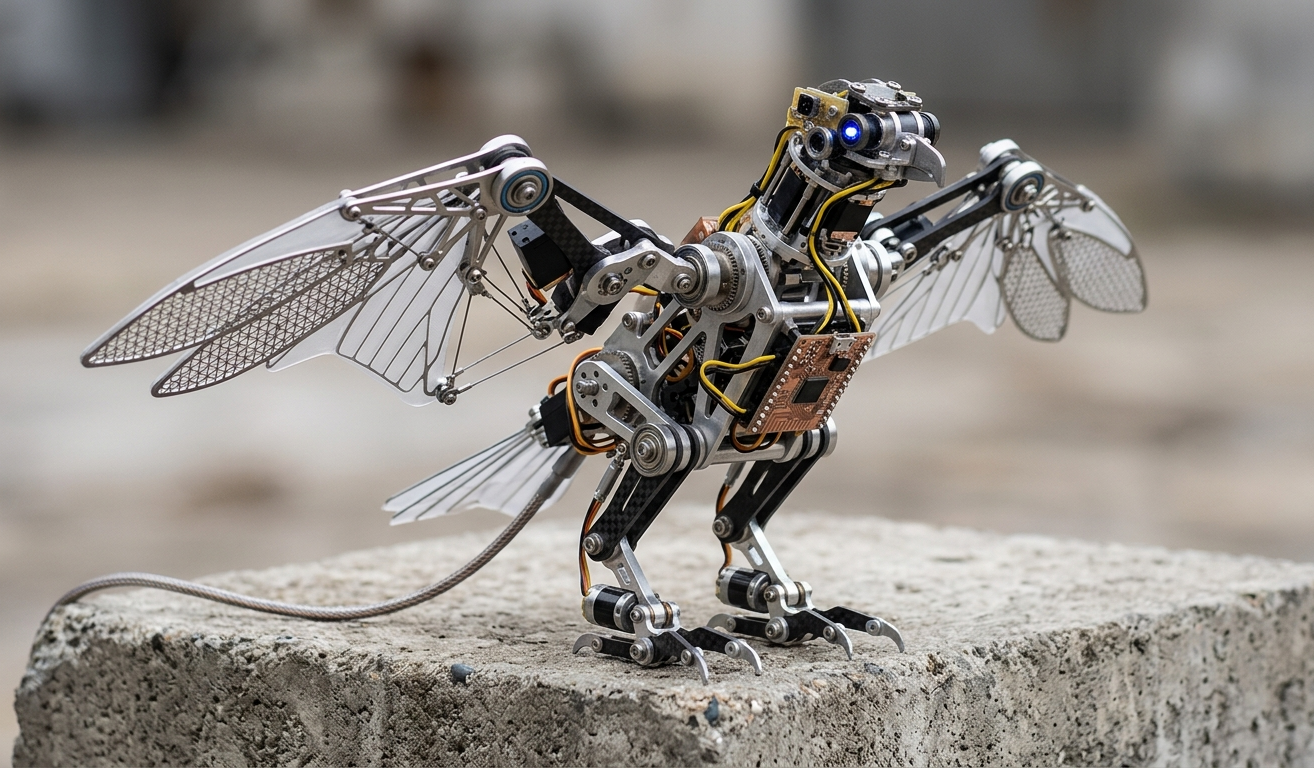
In parallel, we develop and implement high-performance structural and functional materials to enhance durability, weight efficiency, and ergonomic compliance. This includes lightweight composite load paths, energy-return elastic elements, and smart interfaces designed to improve human–machine coupling. By co-designing hardware, materials, and AI-driven control systems, we are building exoskeleton platforms that are not only mechanically capable but also context-aware, adaptable, and ready for real-world deployment.
Our platform integrates a multi-axis inertial measurement unit array with surface electromyography sensors, enabling intent detection before movement onset. Actuation is achieved through a hybrid hydraulic-electric drive system, delivering high torque at low noise levels.
— Technical Diagram —
Specifications (Development Mode)
Weight4.1 kg (frame only)
Peak Power (Torque)120 Nm per joint (for classical actuators)
Onboard Power Life3–8 hours continuous (model dependent)
Latency< 15 ms intent-to-response
StatusPrototype V0.71 — Lab Trials
Achievements and Reached Level
The first domain focuses on human power amplification, aiming to augment the physical capabilities of healthy individuals. This includes enabling users to perform demanding tasks—such as carrying heavy industrial loads, assisting in disaster response operations, or enhancing endurance in field conditions—with reduced fatigue and increased efficiency. In addition, the system is designed to provide adaptive robotic support for everyday activities when needed.
The second domain addresses rehabilitation and assistive technologies for individuals with partial or complete disabilities, whether temporary or permanent. In this context, our systems support recovery processes, assist mobility, and provide intelligent guidance during rehabilitation—for example, enabling gait training after neurological injuries or supporting upper-limb motion in post-surgical recovery.
Across both domains, we are developing an intelligent control architecture capable of operating both partial (limb-specific) and full-body exoskeleton systems. Our approach emphasizes tight integration with the human neuro-musculoskeletal system, allowing for more adaptive, robust, and resilient behavior compared to conventional exoskeleton designs.
The results we have achieved so far demonstrate strong progress. Building on this foundation, we continue to advance toward a highly responsive and controllable system that can seamlessly interact with human physiology. Furthermore, we are actively enhancing the core robotic platform to support higher-level applications—including military operations, elite athletic performance, and search-and-rescue missions—where precision, reliability, and real-time adaptability are critical.
Vision and Impact
Our long-term objective is to transform exoskeletons from specialized equipment into indispensable intelligent companions that meaningfully expand human capability and independence. We envision assistive configurations becoming everyday mobility tools for individuals with disabilities—enabling activities such as autonomous commuting, household interaction, and social participation with minimal external support. In parallel, strength-augmentation variants are designed to provide measurable load-handling advantages for soldiers and heavy-duty workers, improving endurance, reducing injury risk, and extending operational effectiveness in physically demanding environments.
Another key milestone is the development of remotely configurable and supervisable systems tailored for aging populations, allowing caregivers or clinicians to monitor performance, adjust assistance profiles, and ensure safety in real time. Complementing the hardware layer, our Agentic AI–driven lifelong assistance framework aims to evolve into a persistent cognitive layer that learns user routines, anticipates needs, and continuously optimizes support strategies. Beyond product outcomes, we also see this program as a catalyst for generating deep R&D capabilities—advancing human augmentation science, intelligent control methodologies, and translational robotics knowledge that can power future innovations across multiple industries.
Next Steps and Boosting
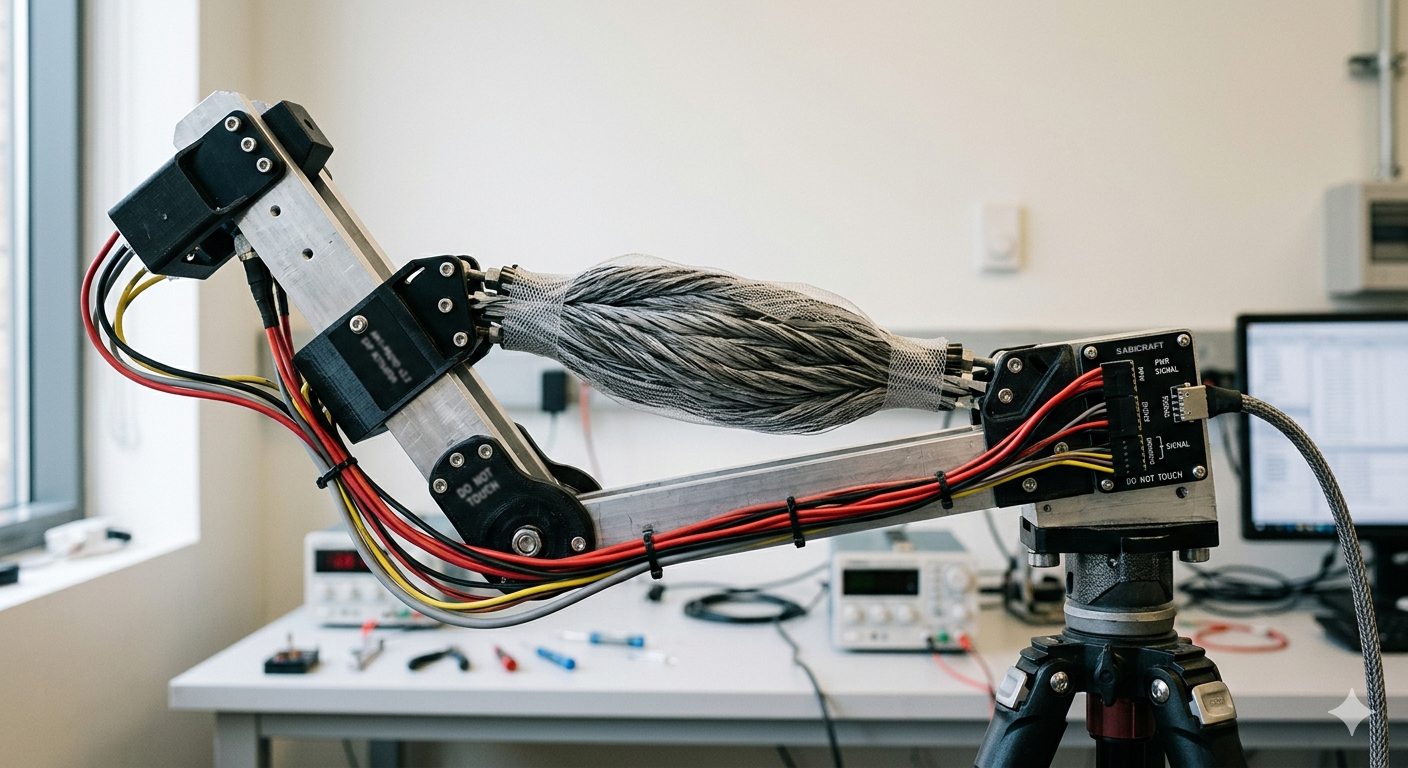
We also work on artificial muscles to replace the motor technologies with more robust mechanisms inspired from biological muscular system